Choosing the wrong wire rope construction[^1] risks project failure and costly rework. The cable looks similar, but the internal structure dictates performance. How do you ensure you select the right one?
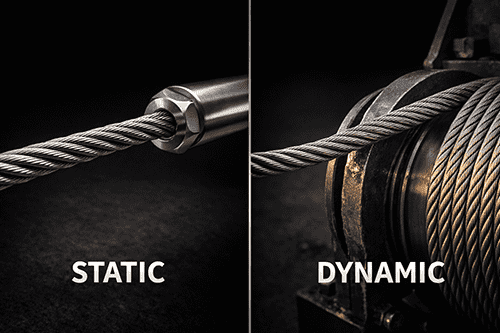
Based on my 17 years in hardware manufacturing, the choice is simple. For static applications[^2] like railings, choose 7x7 wire rope for its superior abrasion resistance[^3]. For dynamic applications[^4] involving pulleys or bends, 7x19 is the only option due to its greater flexibility[^5].
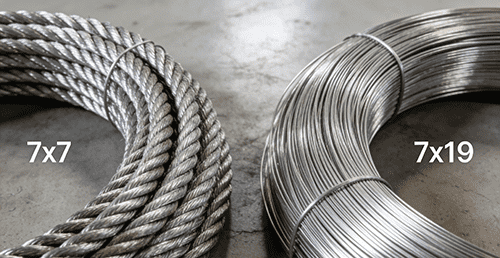
Selecting the correct wire rope is not just about strength; it's about matching the rope's construction to the specific demands of the job. A mismatched cable can lead to premature wear, system failure, and safety hazards[^6]. Understanding the fundamental differences in flexibility[^5], abrasion resistance[^3], and strength is critical for any engineer or procurement officer responsible for the integrity of a project. Let's dive deeper into these characteristics to ensure you make an informed decision.
Why is 7x7 better for abrasion resistance[^3] and railings?
Projects with static loads, like architectural railings[^7], face constant surface wear. Choosing a rope that is too flexible can lead to sag, while one that can't handle friction will fail prematurely.
A 7x7 wire rope is stiffer and more resistant to abrasion than more flexible options. Its construction consists of 7 strands, with each strand made of 7 wires. These larger outer wires provide better resistance to surface wear, making it ideal for straight-line, high-tension applications like balustrades and guy wires[^8].
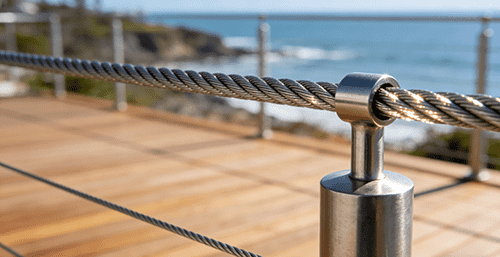
The design of wire rope always involves a trade-off between resisting abrasion and resisting fatigue from bending. A 7x7 construction has fewer, larger individual wires making up its surface compared to a 7x19 rope of the same diameter. This structure provides a greater steel surface area to withstand scraping and friction. Think of it like this: thicker wires are simply harder to wear down. This makes 7x7 the superior choice for applications where the rope is stationary but under constant tension and exposed to the elements, such as security cables, boat rigging, and architectural support structures. While it is moderately flexible, it is not designed for continuous movement or bending around pulleys, as the stiffness in its larger wires will cause premature fatigue and failure in those dynamic situations.
| Feature | 7x7 Wire Rope | 7x19 Wire Rope |
|---|---|---|
| Construction | 7 Strands x 7 Wires (49 total) | 7 Strands x 19 Wires (133 total) |
| Flexibility | Moderate / Stiff | High |
| Abrasion Resistance | High | Lower |
| Best Use Case | Static, straight runs | Dynamic, runs over pulleys |
| Common Applications | Cable railings, guy wires[^8] | Winch lines, exercise equipment |
When is 7x19's superior flexibility[^5] essential for project safety?
Using a stiff rope in a dynamic system with pulleys is a recipe for disaster. The repeated bending causes metal fatigue, leading to wire breaks and catastrophic failure. This is where flexibility[^5] is non-negotiable.
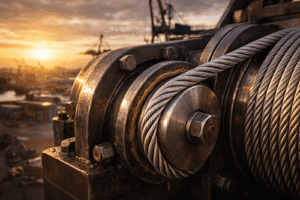
7x19 wire rope is the most flexible choice for applications requiring frequent bending. Its construction of 7 strands with 19 wires each (totaling 133 wires) allows it to easily bend around pulleys and sheaves with minimal fatigue, ensuring system longevity and operational safety.
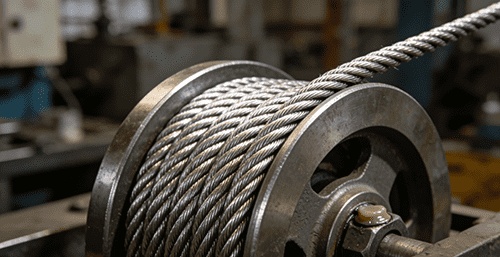
The secret to 7x19's performance lies in its numbers. With over two and a half times more individual wires than a 7x7 rope of the same diameter, the stress of bending is distributed across many more points. This significantly reduces the fatigue on any single wire, extending the rope's service life in high-cycle applications like winch lines, garage door cables, and exercise equipment. The higher wire count makes the rope more pliable and easier to handle during installation in complex systems. While these thinner outer wires are more susceptible to abrasion compared to a 7x7 rope, its superior fatigue resistance makes it the only correct and safe choice for any system where the rope is in motion.
How does construction impact breaking strength[^9]?
Does a more flexible rope mean a weaker rope? It's a common question for engineers. Choosing between 7x7 and 7x19 often involves considering the ultimate breaking strength[^9] required for the application.
Generally, a 7x19 wire rope has a slightly higher rated breaking strength[^9] than a 7x7 cable of the same diameter and material. This is because the higher number of individual wires results in a greater metallic cross-sectional area, contributing to its load-bearing capacity.
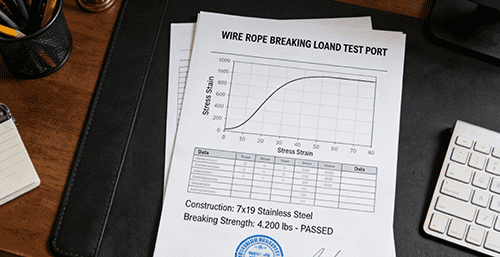
While 7x19 is often modestly stronger, the difference should not be the primary factor in your decision. The most critical consideration is how the rope will behave in its specific application. For example, a 3/16" 7x19 galvanized cable might have a breaking strength[^9] of 4,200 lbs, while a 7x7 of the same size is rated around 3,700 lbs. However, using that slightly stronger 7x19 rope in a static railing application would be a mistake because its lower abrasion resistance[^3] would lead to a shorter lifespan. Conversely, using the 7x7 in a winch system would cause rapid fatigue failure, regardless of its breaking strength[^9]. The key takeaway for a project engineer is to select the construction based on the application (static vs. dynamic) first, and then ensure the chosen rope's breaking strength[^9] meets the project's safety factor requirements.
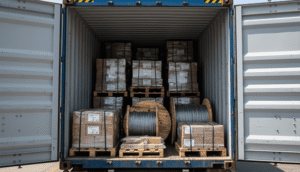
How can you guarantee you receive the correct wire rope structure?
You've done the research and specified the correct 7x19 wire rope for your pulley system. But how can you be sure the product that arrives is what you actually ordered? This is a serious concern.
I have seen cases where suppliers, intentionally or not, ship 7x7 rope when 7x19 was ordered. The client installs it, and within months, the pulley sheaves are worn down, and the rope begins to fray. This is a costly and dangerous failure.
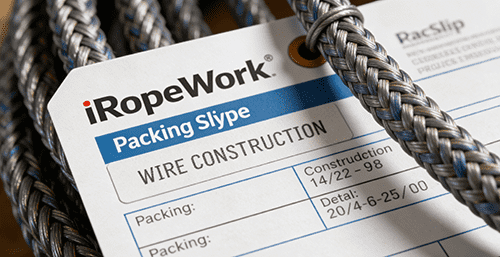
This is why at iRopeWork, we take verification seriously. We don't just rely on marketing claims. First, we clearly mark the exact construction, like "7x19," on every packing slip and product label. There is no ambiguity. Second, we provide comprehensive documentation for every batch of wire rope that leaves our facility. This includes a Material Test Certificate (MTC) verifying the grade of the stainless steel and, crucially, a load test report[^10] that confirms the breaking strength[^9]. This evidence-based approach is essential. It protects your project, your reputation, and your bottom line. As an engineer or procurement manager, you should never have to guess if you received the right product. You need a partner who provides verifiable proof.
Conclusion
Choose 7x7 for stiff, static applications[^2] like railings and 7x19 for flexible, dynamic uses like pulleys. Confirm your choice by demanding clear documentation and test reports from your supplier.
[^1]: Understand the factors that influence wire rope construction to make informed decisions for your projects. [^2]: Explore various static applications where wire ropes are used, ensuring you choose the right type for your needs. [^3]: Understand the importance of abrasion resistance in wire ropes to prevent premature wear and ensure longevity. [^4]: Learn about dynamic applications and why specific wire rope constructions are necessary for safety. [^5]: Discover how flexibility impacts wire rope performance and why it's crucial for dynamic applications. [^6]: Learn about the potential safety hazards of using the wrong wire rope and how to avoid them. [^7]: Find out which wire ropes are ideal for architectural railings to ensure safety and durability. [^8]: Explore the role of guy wires in construction and how to select the appropriate wire rope for them. [^9]: Find out how breaking strength is calculated and why it matters for safety in wire rope applications. [^10]: Discover what a load test report entails and why it's crucial for ensuring the reliability of wire ropes.