You are likely worried about shipping delays[^1], unexpected tariffs[^2], and damaged goods ruining your profit margins. You need a predictable process to move tons of steel across the ocean without headaches.
To successfully import rigging hardware, you must plan for a 60-day production-to-delivery cycle, specify heavy-duty palletized packaging[^3] to reduce US labor costs, and meet pallet-load Minimum Order Quantities (MOQ) to absorb fixed export fees.
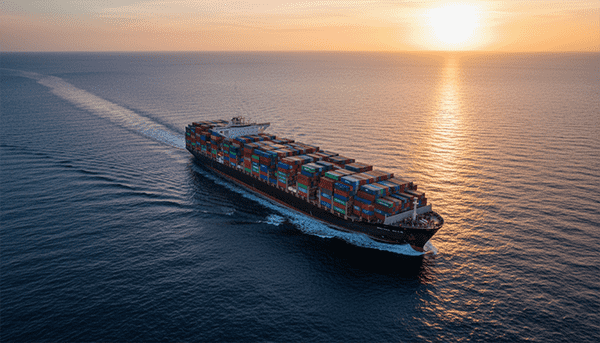
I have exported metal products from Suzhou to the USA for over 20 years. I have seen freight rates[^4] jump 500% in a month, and I have seen containers stuck in Long Beach for weeks. I want to tell you how we manage these risks so you can sleep better at night.
LOOP START
How Do You Manage Lead Times and Ocean Freight Stability?
Shipping schedules change constantly, and trusting a computer estimation is a mistake. You need a buffer in your schedule and a supplier with strong local logistics connections[^5].
Calculated planning is key: allow 30 days for manufacturing and 30 to 45 days for ocean transit[^6]. Always book shipping space at least two weeks in advance to secure a spot on the vessel during peak seasons.
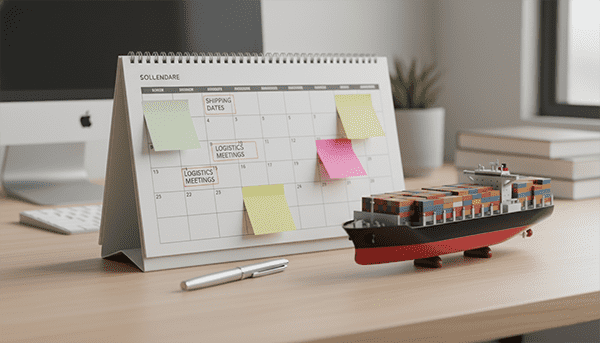
Logistics is the biggest challenge for my US clients right now. It is not just about making the product; it is about getting it to your door.
Here is the reality of the timeline:
- Production Time: For a standard order (e.g., 20 tons of wire rope), I need about 25 to 30 days. We need to draw the wire, strand it, test it, and pack it.
- Inland Transport: It takes 1-2 days to truck the container from my factory in Suzhou to the Shanghai port.
- Customs & Loading: We need 3-5 days for Chinese export customs clearance.
- Ocean Transit: Sailing to the West Coast (LA/Long Beach) takes about 16-20 days. Sailing to the East Coast (NY/Savannah) takes 35-45 days.
As a rigging hardware supplier for the USA, I do not just sell you steel. I act as your logistics partner. I have long-term contracts with local freight forwarders. When space is tight before Chinese New Year or Christmas, my forwarders give my containers priority.
If you buy from a trader, they often use the cheapest, slowest boat to save money. I prefer to use reliable carriers like COSCO or Maersk. I recommend buying on FOB terms[^7] (Free On Board). This means I handle everything until the goods are on the ship, and you control the ocean freight. This gives you more power over the arrival date.
LOOP END
Why Is Industrial Packaging Critical for Wholesale Distributors?
If your shipment arrives in weak boxes, you will spend thousands of dollars on labor to repack everything. Packaging is not just protection; it is a cost-saving tool for your warehouse.
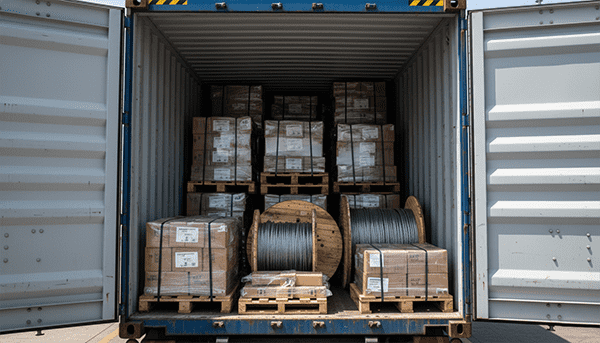
Wholesale buyers must demand fumigated wooden pallets or heavy-duty crates rather than retail packing. This ensures forklifts can unload the container quickly and prevents damage to heavy stainless steel items during rough sea transits.
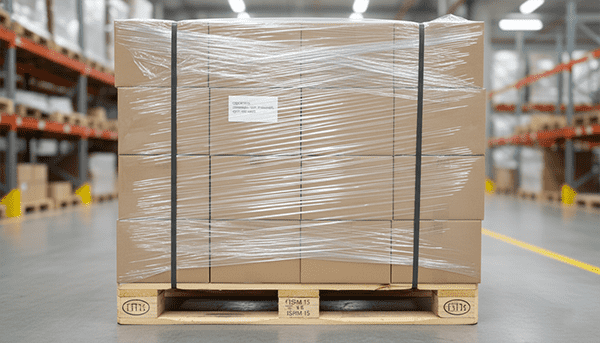
I visited a client in Texas a few years ago. He was angry. He had bought shackles from a different supplier. They came in small, weak cardboard boxes thrown loosely into the container (we call this "floor loading"). His workers had to unload 20 tons of steel by hand, box by box. It took them two days.
At iRopeWork, we understand wholesale rigging. We know that labor in the US is expensive. You cannot afford to hand-bomb containers.
My standard for US distributors is strict:
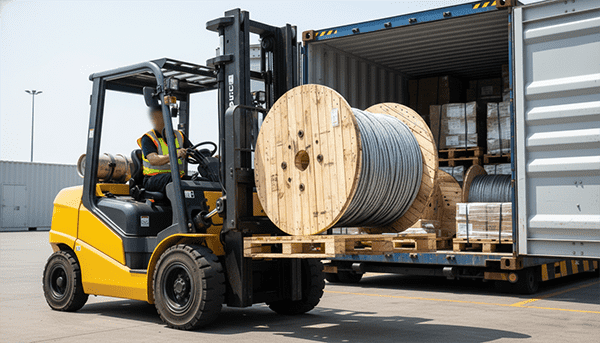
- Wire Rope: We use strong wooden reels, not flimsy plywood. We put these reels on pallets so your forklift can grab them easily.
- Hardware (Shackles/Clips): We pack them in gunny bags or small cartons, and then stack them on a Euro-standard pallet.
- Shrink Wrap: We wrap the whole pallet in thick plastic and strap it down with steel bands.
This keeps the goods safe from moisture and shifting. When the container arrives at your dock, your forklift driver can empty a 20-foot container in 30 minutes.
Also, we use heat-treated wood[^8] (ISPM 15 standard). If we use raw wood, US Customs will reject the shipment and send it back to China. I make sure every pallet has the IPPC stamp so your goods clear customs smoothly.
LOOP END
Can We Mark Your Brand on the Hardware? (OEM/ODM)
Selling generic steel puts you in a price war with everyone else. You need to build your own brand authority to keep your customers coming back.
We offer full OEM services[^9], including laser marking your logo directly onto the stainless steel products. This creates a private label product line that builds brand loyalty and distinguishes your potential from generic competitors.
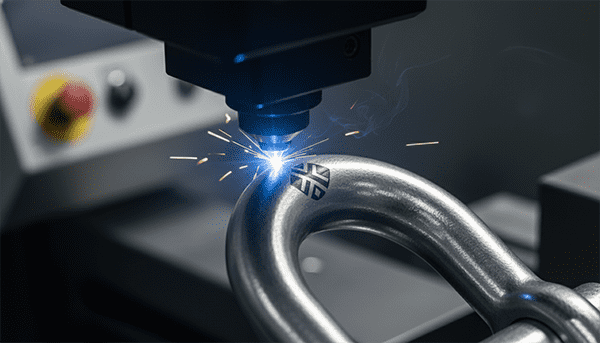
Many of my clients are not just users; they are brands. You want your customers to see your logo on the shackle, not my factory name or a blank space.
We have laser marking machines in our finishing workshop. It is a fast and low-cost process.
- Legibility: The laser burns the surface slightly, making a permanent mark that won't rub off like ink.
- Traceability: Besides your logo, we can mark the "WLL" (Working Load Limit) and the batch number on the product. This looks professional and meets safety standards.
We also support Blind Drop Shipping[^10]. If you are a middleman selling to a large construction project, you might not want the customer to know the product came from Min Xu in China. We can ship the goods with neutral paperwork. The packing list will not have my company header. The boxes will measure only your part numbers.
This protects your business. You own the relationship with the customer; I am just the engine room in the background. This capability is why many US brands trust us as their secret manufacturing arm.
LOOP END
What Is the Minimum Order Quantity for Cost-Effective Importing?
Importing small amounts is expensive because fixed export costs remain high regardless of order size. You need to order enough volume to dilute these logistics fees.
To make importing from China viable, you should aim for a Minimum Order Quantity (MOQ) of at least one full pallet or $5,000 USD. Orders smaller than this are often cheaper to buy locally due to high LCL port fees.
I receive many emails asking, "Can I buy 50 meters of 4mm wire rope?" or "I need 20 turnbuckles for my boat." I have to politely say no.
I want to explain the math so you understand why we have an MOQ (Minimum Order Quantity). Every time we export a shipment, there are fixed costs:
- Trucking to Shanghai port: ~$150-$300
- Customs Declaration Fee: ~$50
- Document Handling Fee: ~$50
- Bank wire fees: ~$30
These costs are the same whether you buy $100 of goods or $10,000 of goods. If you buy $100 of hardware, the shipping and fees might be $500. It makes no sense for you.
The "Sweet Spot" for Distributors:
- LCL (Less than Container Load): If you are testing us, aim for at least 1 to 5 tons (roughly 1 to 5 pallets). This spreads the fixed costs out so the unit price stays low.
- FCL (Full Container Load): This is the best value. A 20-foot container holds about 20 to 24 tons. The shipping cost per kilogram is the lowest here.
We are a factory setup for mass production. Our machines run fast. Setting up a machine to make 10 pieces takes longer than actually making them. By enforcing this MOQ, I ensure that I can give you the lowest wholesale price possible, allowing you to make a healthy profit when you resell in the USA.
LOOP END
Conclusion
To profit from importing, plan for 60-day cycles, demand palletized packaging, utilize laser marking for branding, and order pallet-loads to minimize shipping costs.
[^1]: Understanding the causes of shipping delays can help you plan better and avoid unexpected issues. [^2]: Learn how tariffs can impact your costs and pricing strategies when importing goods. [^3]: Discover how proper packaging can save you money and protect your goods during transit. [^4]: Get insights into the factors that influence freight rates to better manage your shipping costs. [^5]: Explore how reliable logistics partners can streamline your importing process and reduce risks. [^6]: Knowing the ocean transit times can help you plan your inventory and delivery schedules. [^7]: Understanding FOB terms can give you more control over your shipping and costs. [^8]: Explore the benefits of heat-treated wood for compliance and shipment safety. [^9]: Discover how OEM services can help you build your brand and differentiate your products. [^10]: Understanding Blind Drop Shipping can help you maintain customer relationships while outsourcing.